
Join over 5M+ verified members worldwide and start connecting today in a privacy-first, respectful dating environment.
Join over 5M+ verified members worldwide and start connecting today in a privacy-first, respectful dating environment.
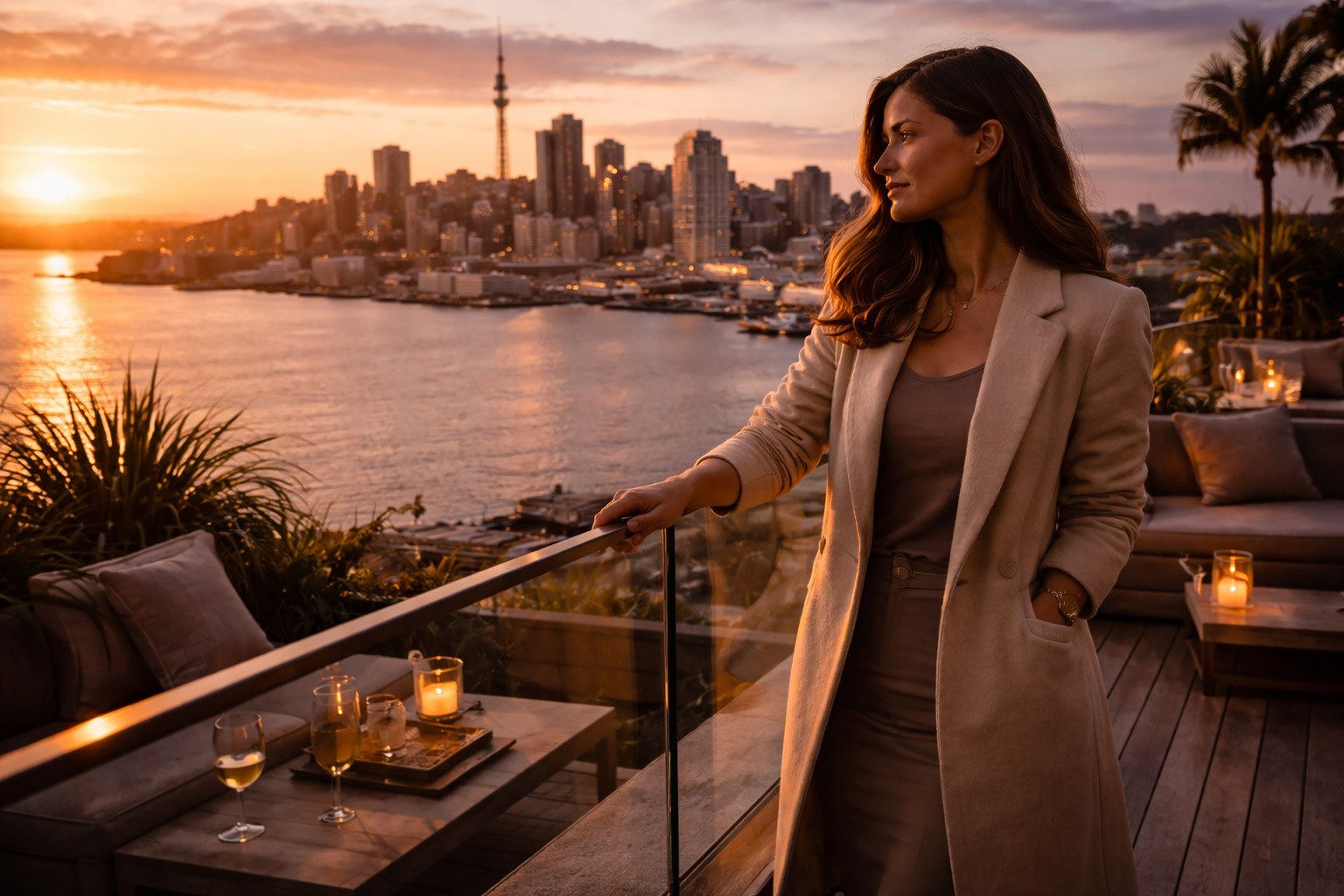
By the second time you notice the same person at Viaduct Harbour, it doesn’t feel accidental anymore. Not coincidence, not intention either. Just overlap becoming visible.
Wind moves across the marina in short bursts. Glass doors stay half-open. People shift tables without leaving. Conversations don’t end — they relocate.
Searches for “Sugar Momma Auckland” sit on top of this kind of movement. Not direct interaction, not defined structure. The city filters people through location, timing, and repetition long before anyone speaks.
Auckland doesn’t generate random meetings. It produces repeated exposure in controlled environments — waterfront zones, short-distance suburbs, ferry-linked escapes. Recognition builds quietly, then suddenly becomes interaction.
5:40pm. Office exits begin. Not all at once — staggered. Finance first, then legal, then consulting. By 6:15pm, the waterfront starts to fill.
At this stage, interaction is contained. Small groups. Known circles. No outward movement.
By 6:50pm, something shifts. People stand more often. Tables open, then refill with slightly different combinations. Eye contact starts to extend — not long, but longer than before.
Professional women dating in Auckland CBD often remain within this window. Structured schedules, limited time, repeated venues. The same faces appear across different evenings.
First contact rarely happens here. But recognition begins here — and recognition is what makes later interaction possible.
Second sighting usually happens within 3–5 days. Same venue or within a 100-meter radius. No conversation yet. But acknowledgement becomes visible — a nod, a pause, a slight shift in attention.
By the third exposure, conversation becomes low-risk. Not because of confidence, but because unfamiliarity has already been reduced.
Dating near Viaduct Harbour Auckland operates almost entirely on this sequence.
Ponsonby does not compress interaction. It stretches it.
Between 6pm and 9pm, people rarely stay in one place. One drink, then movement. Another venue, short walk, repeat.
This creates parallel paths. Two people may move through the same three venues without speaking — until the fourth overlap makes it noticeable.
Upscale dating in Ponsonby and Herne Bay depends on this layered repetition. No single location defines interaction. The street itself becomes the environment.
Creative professionals, founders, and consultants dominate. Conversations start faster than in the CBD, but continuation still depends on repeated visibility.
People rarely extend late. If something continues, it moves elsewhere.
Parnell doesn’t rely on repetition alone. It filters through structure.
Gallery openings, early dinners, small group settings. Interaction here often begins through shared context — introductions, mutual connections, overlapping industries.
High net worth singles Auckland NZ appear here differently. Less visible, more contained. Movement is intentional.
Conversation starts earlier in the interaction cycle, but access is more limited.
Newmarket sits between structured and open environments. Retail movement blends with professional schedules.
Lunch hours create brief interaction windows. Evenings extend slightly, but not enough to build deep repetition.
It functions more as a connector than a destination.
Remuera rarely produces first interaction.
It absorbs existing ones.
Discreet dating in Remuera Auckland is built on prior familiarity. Meetings happen behind visible layers — private homes, closed gatherings, invitation-only settings.
No overlap, no repetition, no entry point without connection.
But once interaction reaches here, it tends to stabilise.
6:20am. First runners. By 7:00am, beachfront paths are full. Not crowded — consistent.
People follow patterns. Same route, same time, same café afterward.
North Shore Auckland dating professionals often operate inside these routines. Recognition builds faster than in nightlife zones because frequency is higher.
Three mornings in a week can equal three evenings in the CBD.
Short interactions. High repetition. Low pressure.
Mission Bay stretches interaction time. People stay longer, especially during late afternoon and early evening.
Unlike Takapuna, where movement is structured, Mission Bay allows lingering. This increases the chance of conversation, but reduces the frequency of repeat encounters.
It creates longer single interactions rather than multiple short ones.
Ferry departure times dictate behaviour. Missing the last return changes everything.
People arrive with plans — vineyard bookings, private tastings, pre-arranged groups.
Rich singles Waiheke Island dating rarely begins spontaneously. It extends from existing connections or planned meetings.
Time expands here, but randomness disappears.
Herne Bay operates quietly. Cafés hold small groups of repeat visitors.
Recognition takes longer, but becomes more precise. People notice absence as much as presence.
Interaction, when it happens, feels less exploratory and more deliberate.
Auckland is not driven by volume. It is driven by timing and repetition.
Weather compresses or expands these patterns. Rain increases density. Wind shortens duration. Sun extends visibility.
Sugar Momma Auckland appears as a search term across all these environments, but its meaning shifts depending on whether interaction is built through repetition, structure, or planned experience.
Discretion is enforced through pacing — what is revealed, when, and in which environment.
Through repeated exposure in the same environments — Viaduct Harbour for evenings, Ponsonby for movement-based overlap, and Takapuna for routine-driven encounters.
Typically two to three times in the same or nearby locations. Recognition reduces uncertainty before conversation begins.
Not entirely. Early evening and morning routines often create more consistent interaction opportunities.
Parnell, Herne Bay, and parts of Remuera offer more controlled environments with lower density.
Yes. The smaller population and overlapping social circles make gradual interaction the norm.
Plan transport across harbour zones, avoid isolated areas after dark, and rely on repeated public encounters before shifting into private settings.