
Join over 5M+ verified members worldwide and start connecting today in a privacy-first, respectful dating environment.
Join over 5M+ verified members worldwide and start connecting today in a privacy-first, respectful dating environment.
Cebu traffic doesn’t just slow movement — it divides time into segments. Morning begins early, but evening social life doesn’t peak until the city cools slightly. The rhythm is not uniform across Central Visayas; it changes sharply between Cebu City, Mactan, Bohol, and Dumaguete.
Search interest around “Sugar Mommy Central Visayas” reflects a broader pattern of lifestyle-driven interaction rather than structured dating systems. In this region, environment determines connection more than intention. Distance between islands, density of professionals in Cebu, and tourism flow across Bohol and Mactan all influence how people actually meet.
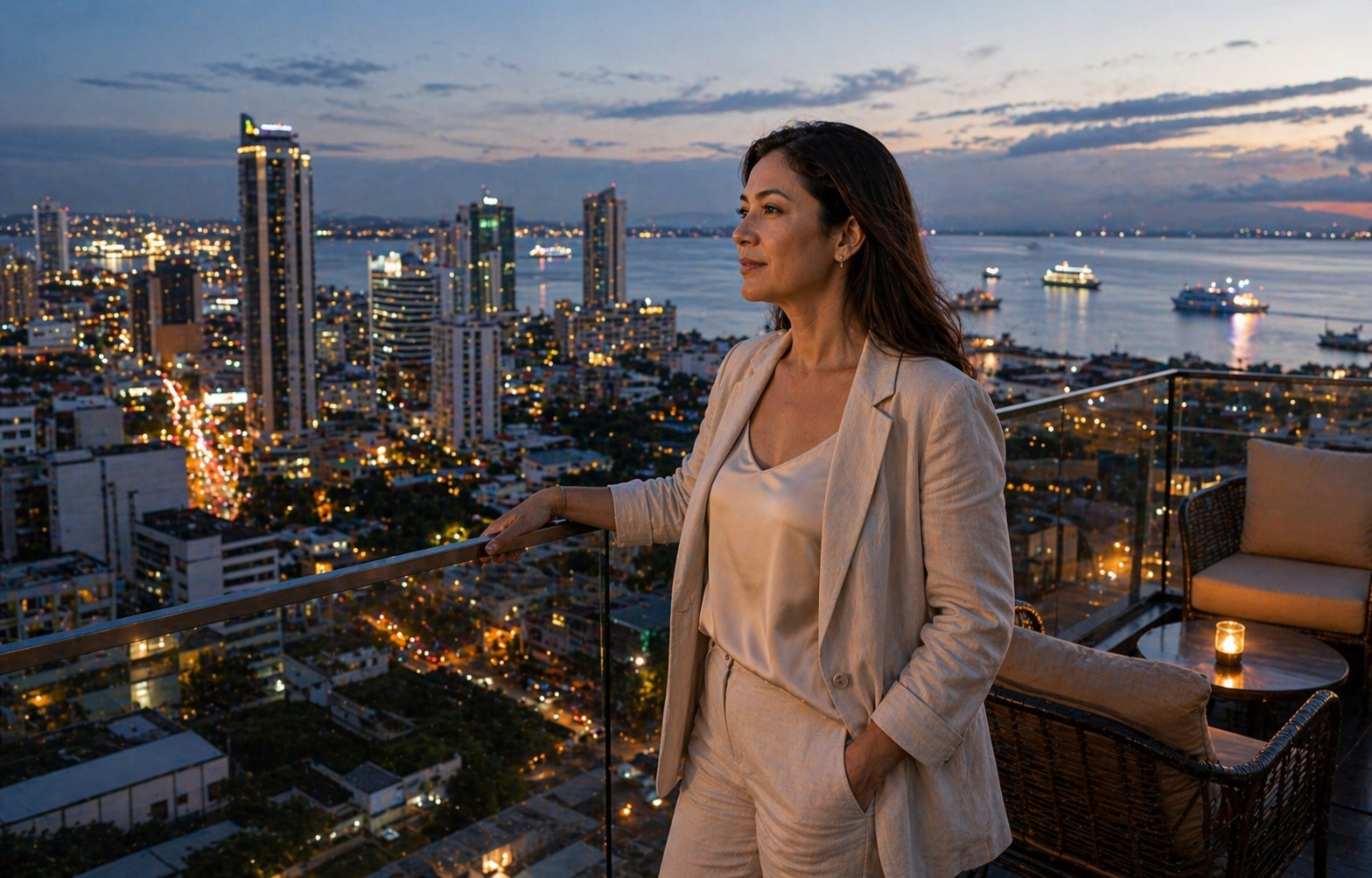
Cebu City operates as the central engine of Central Visayas. Areas like Cebu IT Park and Cebu Business Park form a concentrated professional zone where BPO executives, corporate managers, and startup founders overlap daily.
Professional women in Cebu City often work in structured industries — outsourcing leadership roles, finance support operations, healthcare administration, and small business ownership. English fluency is common, and international exposure is frequent due to global client interaction.
Social interaction here is repetition-based. Cafés in IT Park, rooftop bars in Business Park, and nearby gyms create predictable exposure. Recognition often precedes conversation.
Evenings near Ayala Center Cebu show a shift: groups form slowly, dissolve slowly, and reappear across different venues within the same radius.
Mactan operates differently from Cebu City. It is structured around resorts, coastal properties, and short-stay environments rather than daily routines.
Discreet dating in Mactan Cebu often happens in controlled hospitality environments — beachfront brunches, resort lounges, and private hotel settings.
Unlike the city, interaction here is compressed into shorter timeframes. People meet, interact, and often separate without long-term overlap unless repeated travel occurs.
Water activities, sunset dinners, and weekend staycations define the rhythm more than nightlife density.
Panglao Island in Bohol is shaped by tourism flow and natural environments. The pace is slower, but interactions are more experience-focused.
Upscale singles in Bohol Panglao tend to engage through shared activities — diving trips, beach resorts, and island tours.
Unlike Cebu, there is less structural repetition. Instead, interaction is tied to shared time windows created by travel schedules.
This produces connections that feel natural but often depend on continued movement returning to the same locations.
Dumaguete has a different rhythm entirely. Known for Silliman University and its academic presence, it creates a stable but slower social environment.
Expats, educators, students, and remote workers form the primary interaction base. Conversations develop gradually due to repeated local presence.
Professional women in Dumaguete often come from education, healthcare, or remote digital work backgrounds. The environment encourages familiarity over speed.
Evening life is centered around seaside cafés and quiet commercial strips rather than dense nightlife.
Siquijor is structurally different. Low population density means fewer interactions, but each interaction is more noticeable.
Tourism defines most of the social cycle. Visitors and locals overlap briefly through nature-based activities — waterfalls, coastal stays, and island exploration.
Because repetition is limited, connections rely heavily on timing rather than environment stability.
Nightlife in Cebu City is structured rather than chaotic. IT Park and surrounding areas contain most activity within walkable zones.
Bars and rooftop venues attract a mix of professionals and international visitors, but interaction patterns remain segmented by group familiarity.
Conversations rarely begin randomly across strangers; instead, they often emerge from shared workplaces or repeated venue presence.
Central Visayas is not a single continuous social field. It is fragmented across water.
Flights between Cebu and Bohol or ferry routes between islands create a secondary layer of interaction. People often meet in one location and reappear in another weeks later.
This movement-based overlap influences how relationships form over time, especially in professional and tourism-linked circles.
Social structure in Central Visayas is shaped by economic segmentation and cultural expectations.
These environments do not blend easily, even though they exist within the same region.
These practices are widely understood locally even if not explicitly discussed.
Central Visayas operates on distinct daily cycles:
Morning (6–9am): Cebu IT Park movement, café routines begin
Midday (12–2pm): structured professional interactions
Evening (5–8pm): social transition phase in Cebu City
Night (after 8pm): concentrated activity in rooftop bars and coastal resorts
Outside Cebu, timing shifts earlier and becomes more tourism-dependent.
Mostly through repeated presence in Cebu City or experience-based encounters in Mactan and Bohol resorts.
Yes. Cebu City is the primary professional and social concentration point in the region.
Yes, but it functions more as a structured meeting extension rather than spontaneous social entry.
Distance between islands creates fragmented interaction cycles, often limiting long-term continuity unless travel repeats.
Most are based in Cebu City, particularly around IT Park and Business Park, with smaller clusters in other cities.
Yes. Tourism flow and overlapping professional circles make privacy a practical requirement in many cases.