
Join over 5M+ verified members worldwide and start connecting today in a privacy-first, respectful dating environment.
Join over 5M+ verified members worldwide and start connecting today in a privacy-first, respectful dating environment.
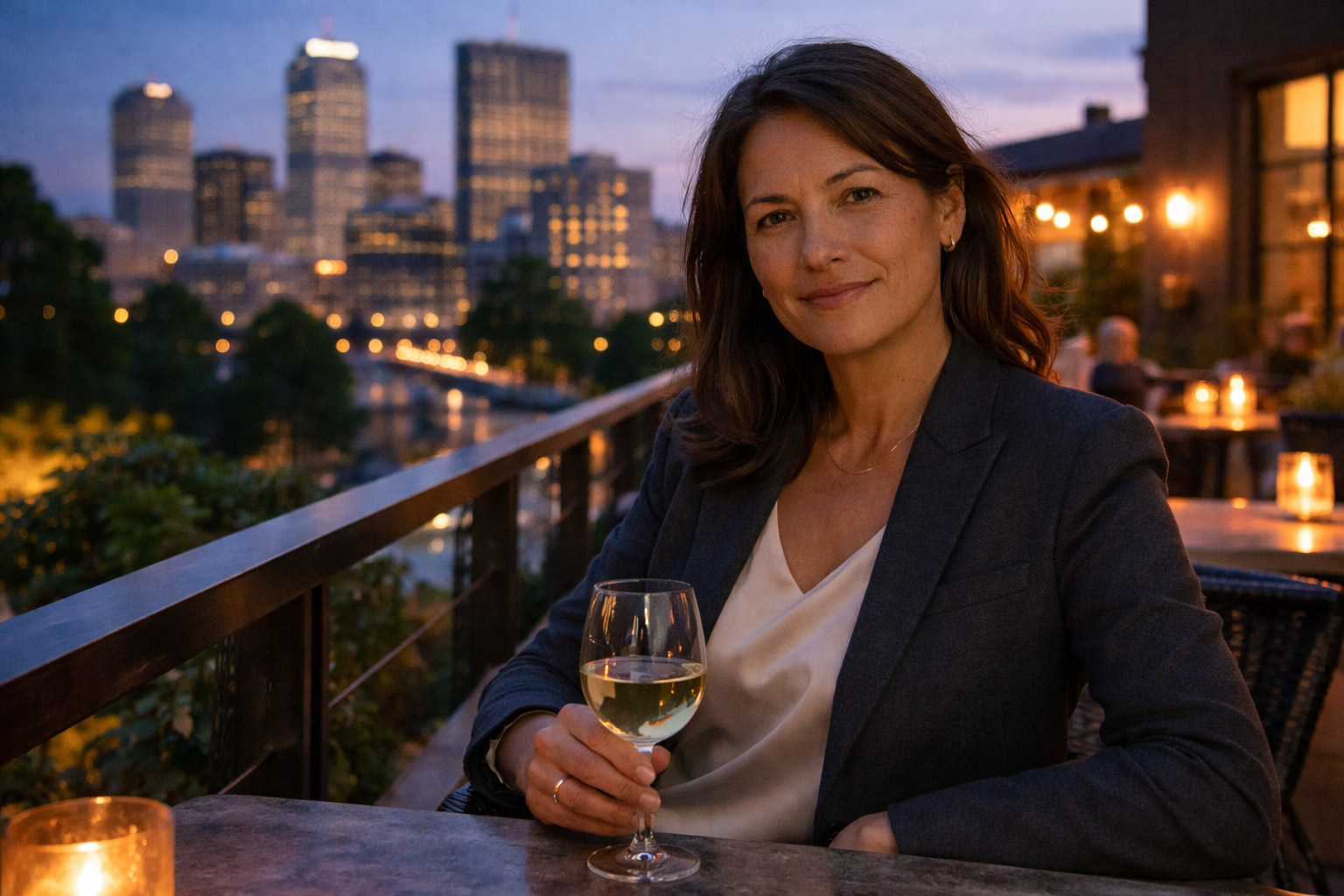
Late evening in Mass Ave in Indianapolis feels different from the usual Midwestern quiet. The restaurants stay busy later than expected, theatergoers step out after performances, and the sidewalk tables fill with professionals unwinding after long workdays. A lot of conversations drift between hospital schedules, startup funding, and nonprofit events scheduled for the next weekend.
Indiana’s social environment has always leaned toward privacy. Career-focused women in fields like healthcare administration, pharmaceutical research, finance, and university leadership rarely treat dating like a loud public activity. Most interactions grow quietly inside professional circles or through events tied to culture, charity, or education.
The phrase Sugar Momma Indiana appears frequently in online searches, but offline the dynamic tends to look much more subtle. Many connections form through shared interests—museum memberships, music festivals, university lectures, or weekend lake trips—rather than the flashy lifestyle imagery often associated with larger coastal cities.
Understanding how dating works locally requires paying attention to neighborhoods, commuting patterns, and the way Indiana’s professional communities intersect.
Indiana’s largest dating ecosystem naturally centers around Indianapolis. The city hosts the state’s largest hospitals, pharmaceutical companies, financial firms, and cultural institutions. Women working in these sectors often maintain active social calendars tied to professional networks rather than traditional nightlife.
The Broad Ripple neighborhood tends to attract creative professionals and entrepreneurs. Jazz bars, art galleries, and independent restaurants provide quieter environments where people actually talk instead of competing with loud clubs.
Meanwhile Massachusetts Avenue (Mass Ave) has become one of the city’s most recognizable cultural districts. Theaters, wine bars, and museum events frequently attract an older and more established crowd, including executives and physicians finishing evening shifts.
Many Indianapolis residents also prefer outdoor settings. Evening walks along the Central Canal or dinners near the White River State Park area often feel more natural than formal dinner reservations.
Because Indianapolis serves as the state’s transportation hub, people from surrounding cities frequently travel into the city for events. That creates a broader social mix than the population numbers alone would suggest.
North of Indianapolis, communities like Carmel and Fishers show a different rhythm. The streets are cleaner, quieter, and largely residential, but the income levels are noticeably higher.
Carmel’s City Center district holds upscale restaurants, boutique hotels, and performance venues that attract affluent professionals from across Hamilton County.
A typical social evening here might involve:
Dating environments in Carmel often emerge from these structured social activities rather than random encounters.
In Fishers, technology firms and consulting companies have drawn younger professionals relocating from Chicago or the East Coast. Coffee shops and coworking spaces sometimes become informal meeting points for people who share similar professional backgrounds.
A short drive northwest of Indianapolis sits Zionsville, one of the state’s most distinctive small towns.
The brick-paved Main Street feels almost preserved from another era. Boutique clothing shops, wine bars, and art galleries attract a steady stream of residents who prefer calm environments over crowded nightlife.
Many higher-income households live in wooded neighborhoods outside the town center. Social life here often revolves around:
Because of the town’s small size, reputation and discretion matter a lot. People tend to move slowly when meeting someone new.
Two hours south of Indianapolis, Bloomington has an entirely different atmosphere.
The presence of Indiana University shapes almost everything about the town’s social culture. Professors, researchers, visiting scholars, and arts professionals contribute to a community that values conversation and cultural events.
Instead of upscale cocktail lounges, many first meetings happen at places like:
The intellectual environment means relationships often begin through shared interests rather than appearance or status.
A short drive away sits Lake Monroe, which becomes a popular weekend destination during warmer months. Boat rentals, lakeside restaurants, and hiking trails around the reservoir create relaxed environments where people spend longer periods together.
Northern Indiana cities such as Fort Wayne and South Bend offer smaller dating pools but strong professional communities.
In Fort Wayne, healthcare systems and manufacturing leadership positions bring together established professionals who often know each other through civic organizations.
South Bend’s environment is heavily influenced by the presence of University of Notre Dame. Faculty events, alumni gatherings, and academic conferences often double as social spaces where new relationships quietly begin.
Because these cities are smaller, people usually rely on introductions through mutual contacts rather than purely online discovery.
Even in quieter Midwestern communities, basic safety practices remain important.
Local community groups frequently recommend:
Indiana’s suburban layout means travel distances can be long, especially when moving between cities like Carmel, Bloomington, and Fort Wayne. Confirming meeting locations and transportation plans beforehand reduces confusion and helps maintain personal boundaries.
Unlike dense coastal states, Indiana spreads its professional population across several mid-sized cities and affluent suburbs.
A physician working at a hospital in Indianapolis might live in Carmel. A technology consultant could commute from Fishers while attending charity events downtown. University faculty might travel regularly between Bloomington and Indianapolis for conferences.
These overlapping networks mean many people meet through repeated encounters at cultural venues rather than sudden introductions.
It also explains why patience matters in Indiana’s social landscape. Relationships often build slowly because community reputations carry significant weight in smaller cities.
Indianapolis hosts the largest number of cultural venues and professional gatherings. Carmel and Fishers attract affluent residents, while Bloomington offers a strong intellectual environment connected to Indiana University.
Yes, but the pace is slower. Social interactions usually occur through structured activities such as charity events, golf clubs, performing arts venues, or neighborhood gatherings rather than traditional nightlife.
Students are visible, but many professionals connected to Indiana University live in the area year-round. Professors, researchers, and visiting scholars contribute to a socially active adult community.
Mass Ave restaurants, Broad Ripple art venues, and coffee shops near the Central Canal are frequently mentioned by locals because they provide relaxed environments with steady foot traffic.
Yes. Because many communities are within driving distance, couples often plan short trips to places like Lake Monroe, Brown County State Park, or cultural events in Indianapolis.