
Join over 5M+ verified members worldwide and start connecting today in a privacy-first, respectful dating environment.
Join over 5M+ verified members worldwide and start connecting today in a privacy-first, respectful dating environment.
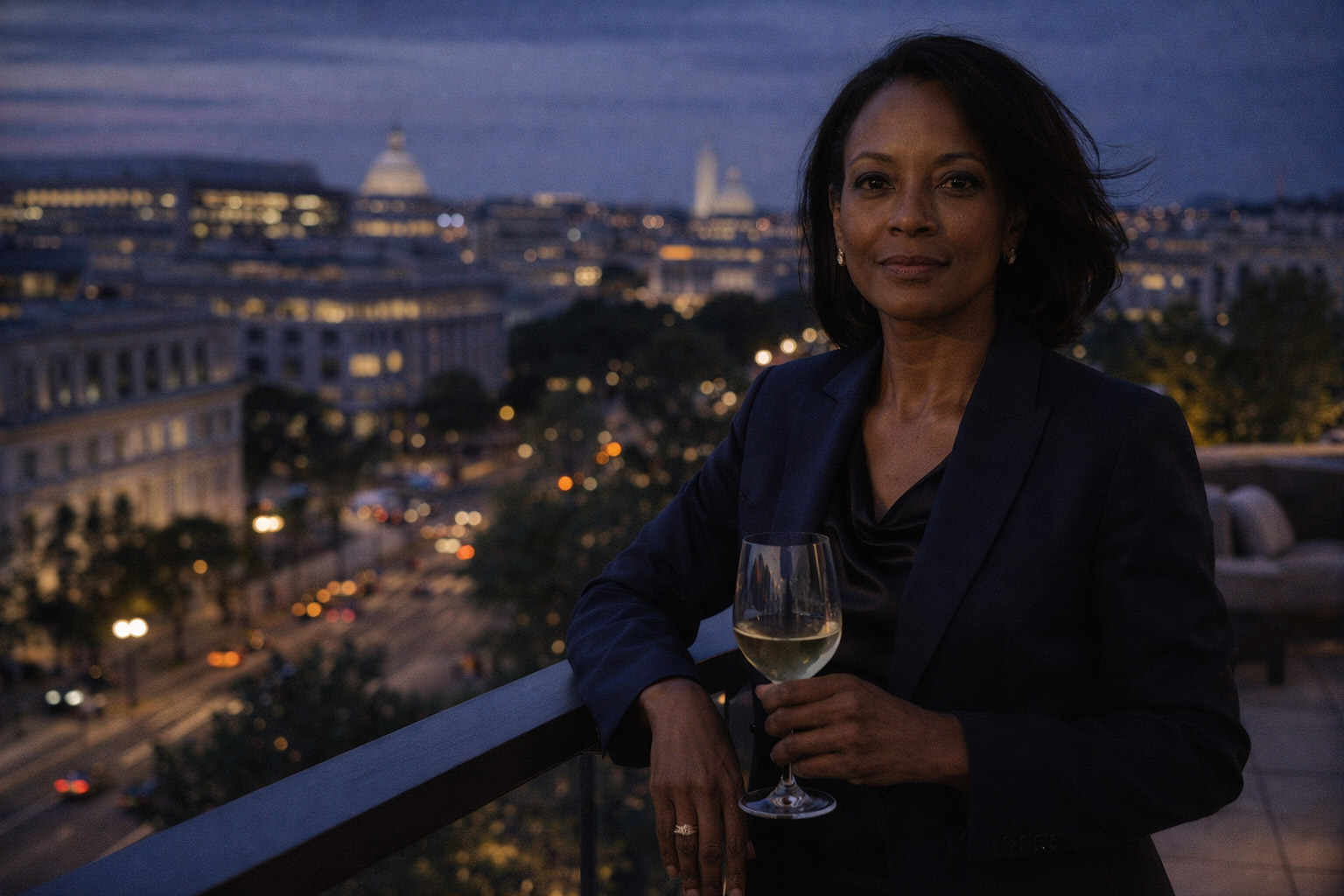
Evening light on Massachusetts Avenue, cars slowing near embassy entrances. Security presence is normal, not dramatic. Conversations here rarely feel loud. They stay inside restaurants, hotel lounges, members-only rooms.
In Washington D.C., dating dynamics shaped around professional gravity rather than nightlife volume. The phrase Sugar Momma Washington DC appears in search behavior tied to Georgetown, Dupont Circle, and Kalorama social clusters, but actual interaction patterns are less visible than the keyword suggests.
Foggy Bottom has students and international policy interns moving between campus buildings and think tanks. Arlington shifts into quieter residential rhythm after office hours. Bethesda carries medical and research professionals. These micro-environments influence how relationships form and fade without public attention.
Georgetown holds one of the most stable high-income social ecosystems. Waterfront paths, historic brick streets, and boutique restaurants create repeated encounter loops. People see the same faces without explicit intention.
Dupont Circle operates differently. More transient, more layered. Embassy staff, NGO professionals, and consultants overlap. Conversations begin in galleries, extend into wine bars, and often remain unrecorded.
Kalorama feels insulated. Large residences, controlled entry points, and limited pedestrian visibility reduce casual interaction. When connections form here, they usually originate outside the neighborhood first.
In these zones, the phrase Sugar Momma Washington DC is often associated with perceived economic asymmetry narratives, but real-world interactions tend to be driven by schedule alignment, travel overlap, and institutional proximity rather than explicit role labeling.
Arlington and Alexandria sit across the river but behave like extensions of the same professional field. Commute-based relationships are common. Timing matters more than intent.
Georgetown University perimeter cafés, M Street retail corridors, and waterfront dining areas form predictable circulation routes. Individuals often reappear in the same spaces weekly.
A lawyer finishing late dinner near the Potomac. A policy advisor walking alone after a briefing. These are routine scenes rather than curated lifestyles.
Here, Sugar Momma Washington DC searches often map to Georgetown due to perceived affluence density, yet observed behavior remains conservative and privacy-oriented.
Restaurants near the waterfront prioritize dim lighting and spaced seating. Conversations are intentionally non-intrusive. Staff familiarity with discretion is high.
Booksellers, art openings, embassy receptions. Dupont Circle accumulates dialogue rather than spectacle.
People here tend to know multiple professional identities of the same individual: daytime role, evening social presence, conference persona.
The keyword Sugar Momma Washington DC appears in digital contexts more than physical ones in this district. Offline behavior is subdued, structured around recurring intellectual or cultural events.
Safety awareness is standard. Ride-share verification, controlled entry venues, and preference for well-reviewed establishments shape interaction decisions.
Large residences behind hedges and security gates define Kalorama’s rhythm. Street-level interaction is minimal.
Social connections here often originate from institutional overlap: diplomatic postings, foundation boards, international legal work.
Mentions of Sugar Momma Washington DC in relation to Kalorama are usually external interpretations. On the ground, the district prioritizes discretion over visibility.
Meetings typically occur outside the neighborhood—hotel lounges downtown or private clubs near Farragut North.
Foggy Bottom is structured around institutions rather than entertainment. The Kennedy Center proximity introduces cultural scheduling, not nightlife culture.
Interns, analysts, visiting scholars—movement is temporary but dense. People pass through rather than settle.
Here, Sugar Momma Washington DC keyword traffic often spikes due to student proximity and search behavior, but real-world interactions remain academically or professionally anchored.
Rosslyn skyline reflections mirror downtown D.C., creating visual continuity across the river.
Arlington contains defense contractors, tech consultants, and healthcare professionals. Alexandria offers historic residential blocks with boutique commercial corridors.
The rhythm is domestic after 8 PM. Restaurants replace bars as primary meeting points.
In these areas, Sugar Momma Washington DC is less visible socially and more present in online segmentation tools than in physical social environments.
Bethesda clusters around medical research institutions and corporate offices. Evening activity is concentrated in restaurant rows near Wisconsin Avenue.
McLean has a quieter profile. Large homes, gated driveways, and limited public nightlife. Socialization occurs through private invitations.
Silver Spring adds cultural diversity and arts programming. Music venues and weekend festivals create periodic social density spikes.
Rockville operates similarly with healthcare and biotech presence, producing professional overlap rather than nightlife interaction.
Across these regions, Sugar Momma Washington DC appears as a digital classification term rather than an observable social category.
Scheduling determines most interactions. Calendar alignment replaces spontaneity in many cases.
Security consciousness is standard: verified venues, known entrances, predictable transportation routes.
Conversation topics often shift toward travel, policy, academic work, or institutional events rather than personal exposition.
Repeated encounters are more influential than first impressions. Familiarity builds slowly through environment repetition.
Meeting in Washington D.C. social environments typically involves structured precautions:
In Kalorama or McLean contexts, privacy expectations are higher, but verification still matters. Institutional titles do not replace personal judgment.
A Georgetown café at 6:40 PM: laptops closed, conversations shift to weekend travel.
Dupont Circle gallery opening: clusters form and dissolve within 15 minutes cycles.
Bethesda restaurant corridor: waitlists dictate social pacing more than intent.
Arlington rooftop bar: brief overlaps between office departure and dinner reservations.
Kalorama street: silence, interrupted only by vehicles entering private driveways.
Is Washington D.C. social life centered on nightlife?
Not primarily. Most interaction happens through professional overlap, cultural events, and scheduled dining rather than clubs or late-night venues.
Where do most high-income professionals socialize?
Georgetown, Dupont Circle, and select venues in Bethesda and Arlington. Embassy events and museum gatherings also play a role.
Is privacy a concern in D.C. dating environments?
Yes. Many participants prioritize discretion due to political, legal, or institutional roles. Venue selection reflects that priority.
Why is Kalorama often mentioned?
It is associated with high-security residential living and diplomatic proximity, but social interaction typically occurs outside the neighborhood.
Does online terminology reflect real-world behavior?
Not always. Terms like Sugar Momma Washington DC often reflect search categorization patterns rather than observable social labeling.
How important is location within the metro area?
Very. Even short distances like Arlington to Georgetown can create entirely different interaction environments due to scheduling and mobility patterns.