
Join over 5M+ verified members worldwide and start connecting today in a privacy-first, respectful dating environment.
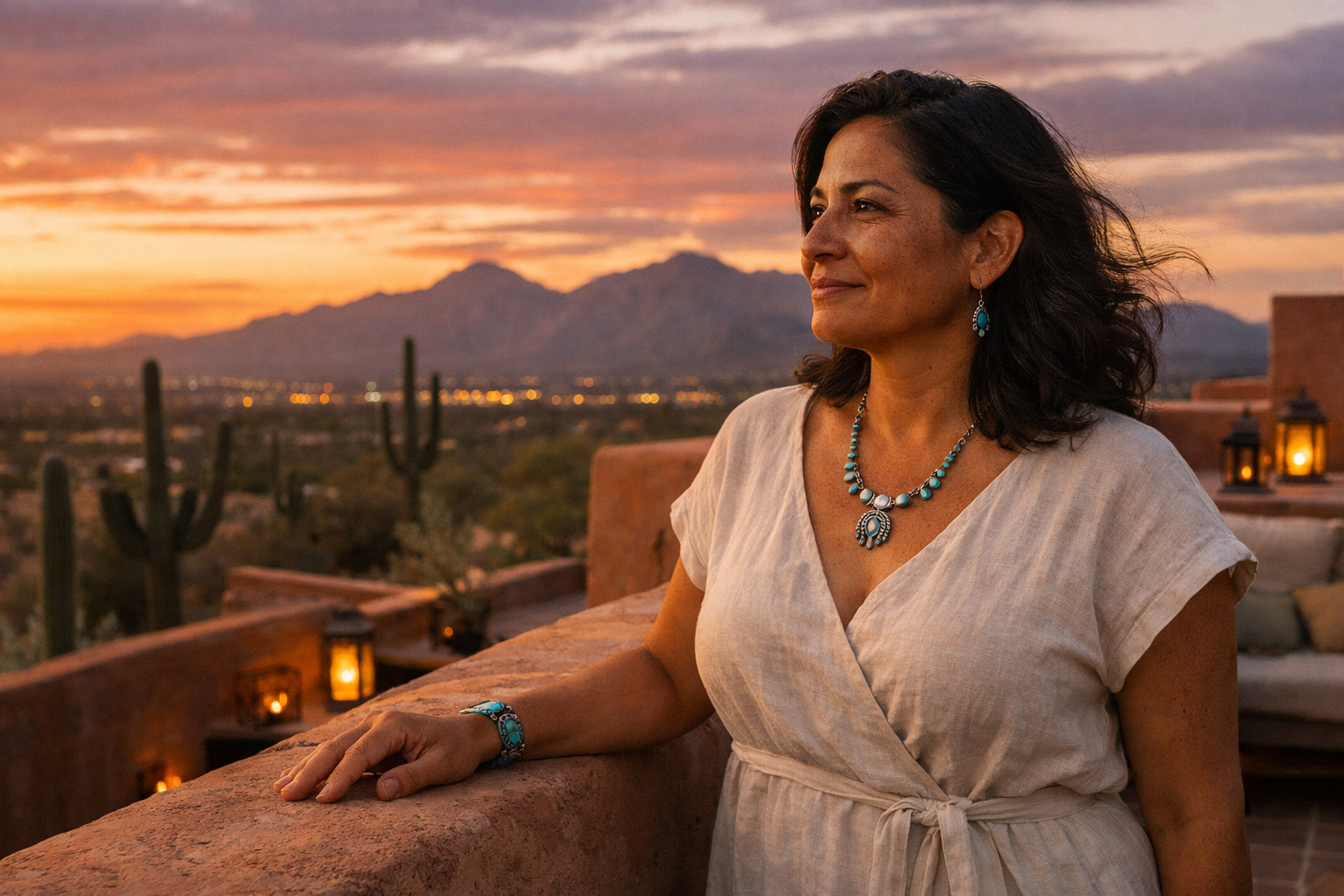
Join over 5M+ verified members worldwide and start connecting today in a privacy-first, respectful dating environment.
Tucson rarely behaves like a traditional nightlife city. Even on weekends, the pace is slower than most U.S. metros of comparable size. Conversations linger longer, people dress casually, and introductions often happen through overlapping social circles rather than crowded clubs.
That atmosphere shapes the local Sugar Momma Tucson dynamic. Financially independent women here often come from academic institutions, healthcare systems, or small business ownership. The environment around the University of Arizona, combined with a steady presence of aerospace engineers and healthcare executives, creates a dating landscape that feels more conversational than transactional.
Unlike cities built around corporate nightlife, Tucson’s connections tend to grow in quieter environments: golf terraces, desert hiking groups, resort lounges, university lectures, or art events. Catalina Foothills dinner parties or Oro Valley country clubs often produce more introductions than late-night venues.
The geography of wealth in Tucson is very visible. Several areas consistently appear when discussing financially stable residents and professional women who maintain comfortable lifestyles.
The foothills north of the city hold many of Tucson’s most expensive homes. Long desert roads wind through gated communities and hillside estates overlooking the valley. Doctors from Banner University Medical Center, professors from the University of Arizona, and real estate investors frequently live here.
Social gatherings in Catalina Foothills often revolve around private dinners, charity events, or small wine tastings rather than loud nightlife. Many professional women in their 40s and 50s maintain active social calendars centered around golf clubs and community foundations.
About twenty minutes north of downtown, Oro Valley offers a quieter suburban lifestyle. Golf courses, resort-style communities, and large desert homes attract executives, retirees with strong investment portfolios, and remote professionals who relocated during the pandemic.
The dating atmosphere here tends to overlap with outdoor hobbies: tennis leagues, cycling groups, golf tournaments, and charity runs. Conversations often begin around shared activities rather than deliberate matchmaking.
Near the University of Arizona campus, Sam Hughes is one of Tucson’s historic neighborhoods. Tree-lined streets hide renovated early-20th-century homes owned by professors, researchers, and healthcare specialists.
This neighborhood reflects the intellectual side of Tucson’s professional dating culture. Book clubs, faculty gatherings, and university cultural events frequently bring together financially stable individuals who prefer thoughtful conversations over status displays.
Downtown Tucson has slowly evolved over the past decade. Industrial buildings converted into lofts now house designers, entrepreneurs, and remote technology workers. Boutique cocktail bars and restaurants provide more modern social spaces compared with the rest of the city.
Women running creative agencies, hospitality ventures, or consulting businesses often appear in this part of the city. The atmosphere remains relaxed, though; dress codes rarely extend beyond casual elegance.
West of downtown, near the Tucson Mountains, private estates overlook the Sonoran Desert. These homes attract wealthy seasonal residents, particularly retirees escaping colder northern states during winter.
The seasonal population—often called “snowbirds”—quietly influences local dating patterns every winter between November and March.
A few industries explain most of Tucson’s financially independent female professionals.
Because Tucson’s cost of living remains lower than coastal tech hubs, many women with strong salaries or investment portfolios maintain comfortable lifestyles without the high-pressure work culture seen in larger cities.
That financial stability often appears most visibly in the 35–60 age group. Many have already built careers or businesses and now prioritize lifestyle balance: outdoor recreation, travel, golf, and cultural events.
Large nightclubs rarely play a central role here. Instead, the social ecosystem revolves around smaller environments.
Downtown Tucson and the 4th Avenue district provide some nightlife, but many professionals prefer quieter venues—hotel lounges, golf resorts, or desert-view restaurants.
Common social settings include:
Because Tucson’s high-income community is relatively small, introductions often happen through mutual acquaintances. Reputation tends to travel quickly within these circles.
Tucson’s population shifts dramatically during winter months. Thousands of affluent retirees arrive from colder states such as Minnesota, Illinois, and Colorado.
These seasonal residents frequently rent luxury homes in Catalina Foothills or stay in high-end resorts across Oro Valley and the northern valley.
Their presence increases the number of financially stable individuals participating in social activities like golf tournaments, spa events, and charity galas.
Between November and March, the social calendar becomes noticeably busier, particularly in resort areas.
Outdoor recreation strongly shapes Tucson’s social life. Golf communities and desert hiking groups often act as informal social hubs.
Courses in Oro Valley and the foothills regularly host networking events, charity tournaments, and small social gatherings that bring together professionals, entrepreneurs, and retirees.
For many residents, a Saturday morning hike in Sabino Canyon followed by brunch in the foothills can create more natural conversations than a typical bar setting.
Even in a smaller city with relaxed social circles, basic safety habits remain important.
Tucson’s professional community values reputation and privacy, so respectful communication and discretion matter more here than in larger party-oriented cities.
Cities like Los Angeles or Miami often emphasize status and luxury venues. Tucson’s culture is quieter. Conversations happen during hikes, charity dinners, university events, or casual patio lunches overlooking the desert.
That environment attracts individuals who prefer slower relationship development and meaningful interaction over fast-paced nightlife.
The result is a dating ecosystem shaped less by spectacle and more by lifestyle compatibility.
The high-income population exists but is smaller than major metropolitan areas. Many financially stable residents live in Catalina Foothills, Oro Valley, and select historic neighborhoods near the university.
Downtown restaurants, resort lounges, golf communities, and university cultural events tend to attract professionals. Outdoor recreation groups are also common meeting spaces.
Yes. Between late fall and early spring, Tucson receives thousands of seasonal residents with substantial retirement income. This temporarily expands social circles and event calendars.
Very much so. Hiking areas like Sabino Canyon, cycling routes near Mount Lemmon, and golf communities across Oro Valley regularly host social gatherings where introductions happen naturally.
Platforms that require photo verification or short video confirmation help reduce fake profiles. Reporting tools and moderation systems also allow users to flag suspicious behavior quickly.
Meet verified people near you